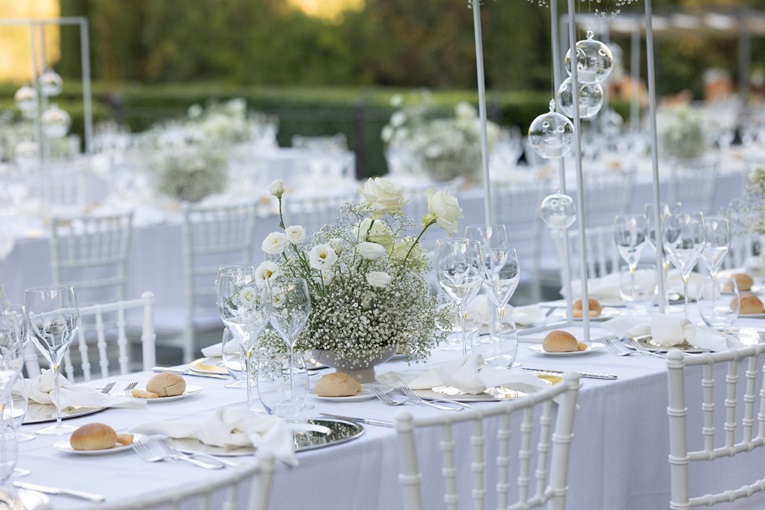
A wedding space is more than a setting for a ceremony or reception. It is a blank canvas where colors, textures, lighting, and creative details come together to express a couple’s personality. From dramatic floral installations to minimalist table arrangements, thoughtful wedding styling can completely change the atmosphere of a celebration.
The most memorable wedding designs are not necessarily the most elaborate. They are those that create a harmonious relationship between the surroundings and the decorative elements.
This principle becomes especially interesting when working with a wedding location in Umbria, where natural landscapes, historic buildings, and traditional Italian architecture offer endless opportunities for creative interpretation.
Rather than covering the existing environment with decorations, contemporary wedding designers increasingly focus on enhancing its distinctive features. The result is a celebration that feels personal, visually balanced, and deeply connected to its surroundings.
The color palette: building a visual identity
Every successful wedding design begins with a clear visual direction. Before choosing flowers, furniture, or decorative accessories, it is useful to establish a color palette that defines the overall atmosphere.
Color influences how guests perceive a space. Soft neutral tones can create an elegant and understated environment, while vibrant combinations introduce energy and personality.
For countryside weddings, earthy palettes are particularly effective. Shades of terracotta, olive green, warm ivory, and muted gold complement natural materials and outdoor landscapes.
Couples looking for a contemporary aesthetic might prefer contrasting colors such as burgundy and blush, deep green and champagne, or dusty blue and cream.
The key is consistency without excessive uniformity.
A wedding does not need every decorative element to match perfectly. Instead, colors should appear in different proportions and textures throughout the celebration.
For example, a warm terracotta shade might be introduced through floral arrangements, repeated subtly in printed menus, and complemented by neutral table linens.
This creates a recognizable visual identity while allowing each space to maintain its individuality.
Floral design beyond traditional centerpieces
Flowers remain one of the most expressive elements of wedding styling, but modern floral design extends far beyond conventional bouquets and table centerpieces.
Today, floral installations can define architectural spaces, guide guests through a venue, and create striking focal points.
Consider an asymmetrical arrangement framing the entrance to a ceremony. Rather than constructing a traditional floral arch, designers can use flowers and foliage to create an organic composition that appears to grow naturally from the surrounding environment.
Another interesting approach involves suspended installations.
Delicate greenery, seasonal flowers, or hanging botanical elements can introduce movement and visual interest above dining tables.
These arrangements are particularly effective in spaces with high ceilings or open-air reception areas, provided the installation can be supported safely.
Seasonality also plays an important role.
Choosing flowers that are naturally available during the wedding period can create a stronger connection with the local landscape.
In Umbria, arrangements inspired by olive branches, aromatic herbs, garden roses, and Mediterranean greenery can complement the character of the countryside.
Rather than relying on excessive quantities, carefully selected botanical elements can produce a sophisticated effect through shape, proportion, and placement.
Lighting as an invisible design element
Lighting is often underestimated during wedding planning, yet it has an extraordinary influence on the atmosphere of an event.
The same space can appear romantic, dramatic, intimate, or festive depending on how it is illuminated.
During daylight hours, natural light becomes part of the design. Outdoor ceremonies can benefit from soft afternoon sunlight, while shaded courtyards provide gentle illumination for elegant receptions.
As evening approaches, artificial lighting gradually takes over.
Warm string lights can create a welcoming atmosphere above outdoor dining areas. Candles introduce intimacy to table settings, while discreet architectural lighting can highlight stone walls, arches, and garden features.
For a more contemporary celebration, carefully controlled accent lighting can introduce subtle color variations without overwhelming the surroundings.
However, successful lighting design requires restraint.
Too many competing effects can make a space feel visually chaotic. A more refined approach involves identifying a few important focal points and allowing the remaining areas to retain a softer atmosphere.
Lighting should also support practical needs, ensuring that guests can move comfortably and that dining areas remain functional.
Designing around the character of the venue
One of the most important principles of wedding styling is respecting the identity of the location.
A modern industrial venue, a seaside terrace, and a historic Italian estate require different decorative approaches.
When working with an architectural setting, designers should first observe the materials, proportions, natural light, and surrounding landscape.
Historic stone walls, for example, often work beautifully with restrained floral arrangements and elegant fabrics.
Outdoor gardens may benefit from lightweight furniture, organic shapes, and botanical decorations that blend naturally into the environment.
A particularly interesting example is San Pietro Wedding, a historic estate located in Massa Martana, in the heart of Umbria.
The property offers a variety of distinctive spaces, including a historic cloister, a rose garden, landscaped outdoor areas, and elegant indoor reception rooms.
This diversity creates opportunities for different decorative concepts within the same celebration.
A ceremony in a garden might feature delicate floral arrangements and natural fabrics, while a reception in the cloister could embrace candlelight, sophisticated table settings, and architectural illumination.
The surrounding countryside also provides an inspiring visual reference for colors, materials, and botanical compositions.
For couples searching for a wedding location in Umbria, this relationship between the venue and its decorative possibilities can be especially valuable.
Instead of applying a generic wedding theme, designers can develop an aesthetic that responds directly to the property’s existing character.
The reception table as a creative composition
Wedding tables are among the most photographed and closely experienced elements of a reception.
They are also an opportunity to combine visual design with practical hospitality.
An effective tablescape involves several layers: linens, tableware, glassware, floral elements, candles, printed materials, and seating arrangements.
Each component contributes to the overall impression.
For a minimalist celebration, neutral linen tablecloths, simple ceramic plates, and small floral compositions can create a sophisticated result.
A more expressive design might combine textured fabrics, colorful glassware, sculptural candles, and seasonal flowers.
The shape of the tables also influences the atmosphere.
Long banquet tables encourage a communal dining experience and create opportunities for continuous decorative arrangements.
Round tables provide a more traditional layout and allow designers to create individual compositions for each group of guests.
Regardless of the configuration, decorations should never interfere with comfort.
Centerpieces must allow guests to see one another, candles should be positioned safely, and table settings should leave sufficient space for dining.
The most successful designs balance aesthetics with functionality.
Small details that create a memorable experience
Large installations often attract attention, but smaller decorative details can have an equally meaningful impact.
Personalized place cards, illustrated menus, custom signage, and carefully selected wedding favors contribute to the identity of the event.
These elements can also tell a story.
A couple who loves travel might incorporate subtle references to meaningful destinations. Those passionate about art could commission illustrated stationery inspired by their favorite artistic movement.
For an Italian countryside wedding, locally inspired details can create a connection with the destination.
Handmade ceramics, olive oil favors, botanical illustrations, or traditional paper textures can introduce regional character without becoming overly thematic.
Consistency is important, but personalization should never feel forced.
A few carefully considered details are often more effective than numerous decorative elements competing for attention.
Ultimately, guests are more likely to remember an atmosphere that feels authentic than a collection of unrelated visual trends.
Sustainable styling and the future of wedding design
Sustainability is becoming an increasingly relevant consideration in event design.
Couples and wedding professionals are exploring ways to reduce unnecessary waste while maintaining high aesthetic standards.
One approach involves selecting reusable decorative elements rather than relying exclusively on single-use materials.
Rental furniture, fabric installations, glass candleholders, and modular structures can often be incorporated into different events.
Floral arrangements can also be designed with sustainability in mind.
Using seasonal flowers, reducing floral foam where practical, and repurposing ceremony arrangements for the reception can help limit waste.
For example, floral compositions placed near the ceremony entrance may later be repositioned around the reception area, provided the logistics allow it.
This approach requires coordination between designers, florists, and venue staff, but it can produce both environmental and practical benefits.
Another emerging direction is the appreciation of natural simplicity.
Instead of transforming every surface, designers may choose to leave certain areas undecorated, allowing the landscape and architecture to remain visible.
This philosophy is especially appropriate for countryside weddings, where the surroundings already provide considerable visual beauty.
Creating a celebration with Its own visual language
Wedding styling is ultimately an exercise in storytelling through design.
Every choice, from the color of the table linens to the placement of a floral installation, contributes to the way guests experience the celebration.
The objective is not to reproduce a photograph from a wedding magazine or follow every emerging trend.
It is to create an environment that feels coherent, welcoming, and unmistakably connected to the couple.
A beautiful wedding location in Umbria provides a particularly inspiring starting point because the region’s landscapes, historic architecture, and natural materials already offer a rich visual foundation.
By combining thoughtful design, appropriate lighting, carefully selected flowers, and meaningful personal details, even familiar spaces can take on an entirely new identity.
The most compelling wedding decorations do not compete with the venue or distract from the celebration. They establish a dialogue between people, place, and atmosphere.
When that balance is achieved, wedding design becomes more than decoration. It becomes an essential part of how a special day is experienced and remembered.