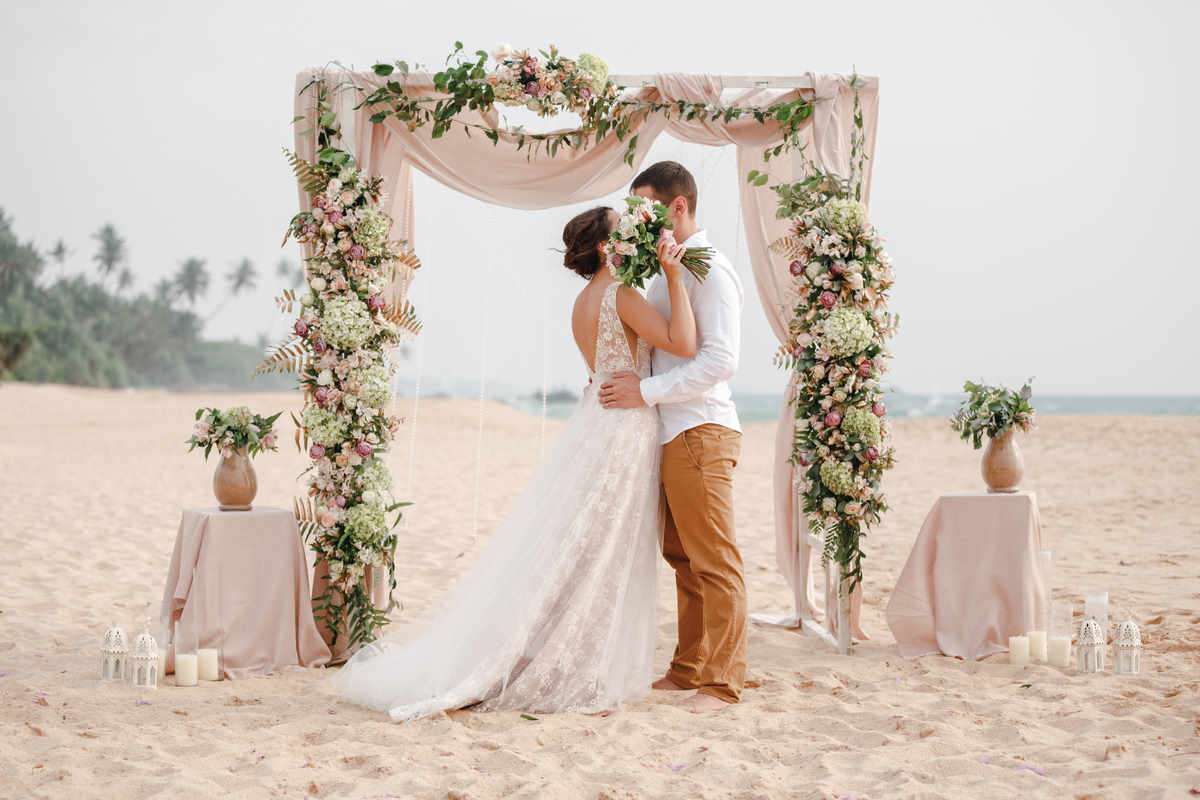
Antalya has the kind of setting that makes a destination wedding feel like more than a single celebration. The Mediterranean coastline, resort hotels, private villas, gardens and open-air terraces can turn the wedding into a shared holiday for everyone invited. Guests may arrive from several countries, stay for a few days and experience the destination together before and after the ceremony.
That promise is also what makes the planning more detailed. A destination wedding is not simply a local wedding held somewhere warmer. The venue, accommodation, airport arrivals, transfers, weather plan, supplier access and guest communication all affect one another. A beautiful location can become inconvenient if it is far from the hotel, difficult for production teams to access or unsuitable in windy conditions. Likewise, a well-designed reception can still feel disjointed if guests do not know where to be or how they will return to their accommodation.
The most successful Antalya weddings begin with a clear plan for the entire experience. Here is how couples planning from abroad can approach the process with confidence.
1. Define the Wedding Experience Before Choosing the Venue
It is tempting to begin with photographs of ceremony arches, tablescapes and sea views. Before comparing venues, however, define what the celebration should feel like for the couple and the guests.
Consider the basic shape of the event. Is the priority an intimate sunset ceremony, a formal hotel reception, a relaxed villa gathering or a multi-day resort wedding? Will most guests travel as couples, as families with children or as a mixed group from several countries? Do you want everyone to stay in one hotel, or would you prefer to give guests a range of accommodation options?
These decisions narrow the search far more effectively than a mood board alone. A resort hotel may be ideal when convenience and guest accommodation are the priorities. A private villa or garden can offer greater intimacy and creative freedom, but it may require more rentals, catering infrastructure and transport planning. A coastal terrace may deliver an extraordinary view, yet access, sound restrictions and weather exposure must be checked before it becomes the final choice.
Write down three non-negotiables and three flexible preferences. This gives every later decision a practical reference point and helps prevent attractive but unsuitable options from taking the plan off course.
2. Plan the Guest Journey, Not Only the Wedding Day
For a destination celebration, the guest experience begins before anyone reaches the venue. Invitations and wedding websites should give people enough information to book flights, choose accommodation and understand the wider programme. Arrival times, luggage, young children, older relatives and late-night transport can all influence the schedule.
Couples who want one local point of responsibility can work with Solara Event, an Antalya-based planning team that connects venue and hotel coordination with transfers, guest information, suppliers and on-site production.
Start by mapping the experience from arrival to departure. Identify where guests are likely to stay, how they will reach each event and which details they need at every stage. If a welcome dinner, beach gathering or next-day brunch is included, treat each one as a separate event with its own capacity, catering, transport and timing requirements.
The goal is not to schedule every hour of the trip. Guests also need free time. A strong destination programme creates a few well-planned shared moments and makes the movement between them easy.
3. Compare Antalya Wedding Venues by Operations as Well as Appearance
Antalya offers several distinct venue experiences, and each comes with a different operational profile.
Resort and hotel weddings
Hotels can simplify accommodation, catering, staffing and guest movement, particularly when the ceremony and reception take place on the same property. Ask which event spaces are private, what is included in the food and beverage package, whether external suppliers are permitted and how long the setup window will be. Minimum room commitments, event end times and backup spaces should also be confirmed in writing.
Seaside and outdoor venues
Sea views create a strong sense of place, but the practical conditions deserve close attention. Check wind exposure, shade, sunset direction, sound limitations, access to power, flooring, service routes and the distance to restrooms. Ask what happens if the weather changes and whether the backup space genuinely suits the same guest count and event format.
Villas and private properties
A villa can feel personal and exclusive, especially for smaller celebrations. It may also require the planning team to bring in furniture, catering equipment, lighting, sound, generators, staff facilities and waste management. Confirm event permission, access times, parking, neighbourhood noise limits and the capacity of the property before developing the design.
Gardens and city venues
Garden spaces and central venues can offer a balance of atmosphere and accessibility. Evaluate surface conditions, shade, lighting after dark, nearby accommodation, transport routes and restrictions on technical production. The most photogenic corner of a property is not always the best place for guest flow or dinner service.
For every shortlist, request a current floor plan and, if possible, arrange a live video tour or site visit. Capacity figures should be tested against the actual layout, including the stage, dance floor, bars, buffet or service stations, production equipment and comfortable circulation routes.
4. Build a Realistic Planning Timeline
A useful planning timeline works backwards from the wedding date and gives priority to decisions that affect availability.
For a high-demand date, a large guest list or a multi-day celebration, beginning 12 to 18 months ahead can provide the widest choice. Many international weddings can be planned within 9 to 12 months, while shorter timelines are possible when the couple is flexible about the date, venue and supplier team.
The early phase should focus on guest count, budget direction, venue, accommodation strategy and the main event programme. Once those foundations are confirmed, the creative concept, catering, entertainment, photography, technical production and transport can be developed around real conditions rather than assumptions.
In the final months, attention shifts to guest responses, rooming information, menu choices, layouts, supplier schedules and event-day timings. The last few weeks should be used to confirm responsibilities, arrival instructions, final numbers, access details, weather decisions and emergency contacts – not to make major structural changes.
Keep one master decision list and one master production schedule. Multiple informal message threads can easily create conflicting information when a wedding involves a venue, hotel, transport company and several suppliers.
5. Organise the Budget by Workstream
Destination wedding budgets are easier to control when they are divided into clear workstreams rather than treated as one large total. Typical categories include:
- venue hire and food and beverage;
- accommodation commitments or hosted rooms;
- airport and event transfers;
- planning and on-site coordination;
- floral design, decor, furniture and stationery;
- sound, lighting, staging and power requirements;
- entertainment, photography and videography;
- welcome events, brunches or other hosted gatherings; and
- taxes, service charges, delivery, overtime and contingency.
Clarify which costs the couple will host and which guests will pay directly. Accommodation is a common source of confusion: reserving a room allocation, guaranteeing a minimum number of rooms and paying for every guest room are three different arrangements.
It is also sensible to protect a contingency amount for changes in guest numbers, transport routes, weather protection or production requirements. A quote that appears lower because essential logistics have been excluded is not necessarily the better-value option. Compare proposals by scope, inclusions, payment schedule and responsibility, not by the headline figure alone.
6. Create a Weather Plan That Preserves the Experience
Outdoor weddings are one of Antalya’s greatest attractions, but a backup plan should be developed from the beginning. Heat, wind and occasional rain can affect guest comfort, flowers, sound, catering and technical equipment even when the event remains outdoors.
Ask the venue when a weather decision must be made and who has final authority. If an indoor alternative is available, request its capacity, layout and photographs. A backup room should not be treated as an afterthought; it needs a workable ceremony position, lighting approach, table plan and production schedule of its own.
Timing can also improve comfort. Shade, water stations, appropriate menu choices and a ceremony scheduled away from the strongest heat can make a significant difference. For exposed coastal spaces, secure decor, protected candles and suitable audio equipment should be part of the technical discussion.
The aim is not to predict the weather months in advance. It is to make sure that a change of plan does not become a crisis.
7. Make Travel and Communication Simple for Guests
Guests should not have to search through old messages to find essential information. Create one reliable source that covers the programme, locations, dress guidance, transport arrangements, contact details and important deadlines.
Collect arrival information in a consistent format if airport transfers are being coordinated. Flight number, arrival date and time, passenger count, luggage requirements and accommodation should be recorded together. Build transfer plans from confirmed details rather than estimates, and explain clearly whether transport is provided for every event or only for selected journeys.
Send a concise update before travel and a final event reminder once guests are in Antalya. Avoid changing instructions across several channels. If the guest list includes different languages, identify which information needs translation and who will handle questions on the ground.
Good communication feels almost invisible on the wedding day. People arrive in the right place, at the right time, without the couple or their families having to direct every movement.
8. Design for the Setting and the Production Reality
The strongest destination wedding design responds to its surroundings. Mediterranean light, sea views, garden textures and existing architecture can do much of the visual work. Rather than competing with the venue, use the design to frame the ceremony, guide guests and create focal points for dinner, entertainment and photography.
Every visual decision also has a production requirement. Floral structures need safe anchoring. Hanging installations need approved rigging points. A stage, LED screen or live band needs power, access and weather protection. Candles may be restricted in some spaces. Large decor pieces must fit through service entrances and be installed within the venue’s permitted setup time.
Ask for a scaled layout before finalising rentals. The plan should show tables, chairs, stage, dance floor, bars, catering areas, technical control, entrances and guest circulation. This protects both the atmosphere and the practical flow of the event.
9. Consider a Multi-Day Programme With Purpose
A welcome event can help guests from different parts of the couple’s life meet before the wedding. A next-day brunch can provide a relaxed ending to the trip. These additions are valuable when they support the guest experience, but they do not all need the same production level as the main celebration.
Keep the welcome gathering easy to reach and simple enough for guests arriving at different times. The next-day event should allow for a later start and an informal atmosphere. If the wedding itself is highly formal, the surrounding events can introduce a more relaxed side of Antalya.
Each additional event still needs a host, budget, guest count, venue, food and beverage plan, transport decision and bad-weather option. Add events because they create meaningful time together, not simply because they appear on a standard destination wedding itinerary.
10. Choose a Local Team That Manages Connections, Not Just Suppliers
Planning from another country requires more than a list of vendor recommendations. The couple needs a local team that understands how the venue, hotel, design, catering, entertainment, transport and technical production fit together.
Before appointing a planner, ask what is included in the scope, who will communicate with suppliers, how decisions are documented and how many team members will be on site. Clarify the difference between the wedding planner and the venue coordinator. The venue team is responsible for the property and its internal services, while the planner should represent the couple across the complete event.
Strong local coordination reduces gaps between separate contracts. It also gives international couples one accountable point of contact when practical questions need to be checked in Antalya.
Final Destination Wedding Checklist
Before signing the major agreements, confirm that you have:
- a realistic guest estimate and budget direction;
- a venue that works for both the celebration and the guest journey;
- written clarity on inclusions, restrictions, setup time and overtime;
- an accommodation and transfer strategy;
- a genuine weather backup plan;
- a planning timeline with approval deadlines;
- a scaled event layout and production outline;
- one source of guest information;
- clear ownership of every supplier and operational task; and
- a final on-site schedule shared with all responsible teams.
A Destination Wedding Should Feel Effortless to Attend
Antalya can offer the sea, sunshine, hospitality and variety that couples imagine when they begin planning a wedding abroad. The difference between a beautiful idea and a seamless celebration lies in how well the practical details are connected.
Begin with the guest journey, choose the venue through both creative and operational criteria, protect the plan with clear budgets and contingencies, and appoint a local team that can manage the complete picture. When those foundations are in place, the couple can focus on the personal decisions that make the wedding feel unmistakably theirs – and guests can simply enjoy being part of it.
By Solara Event
