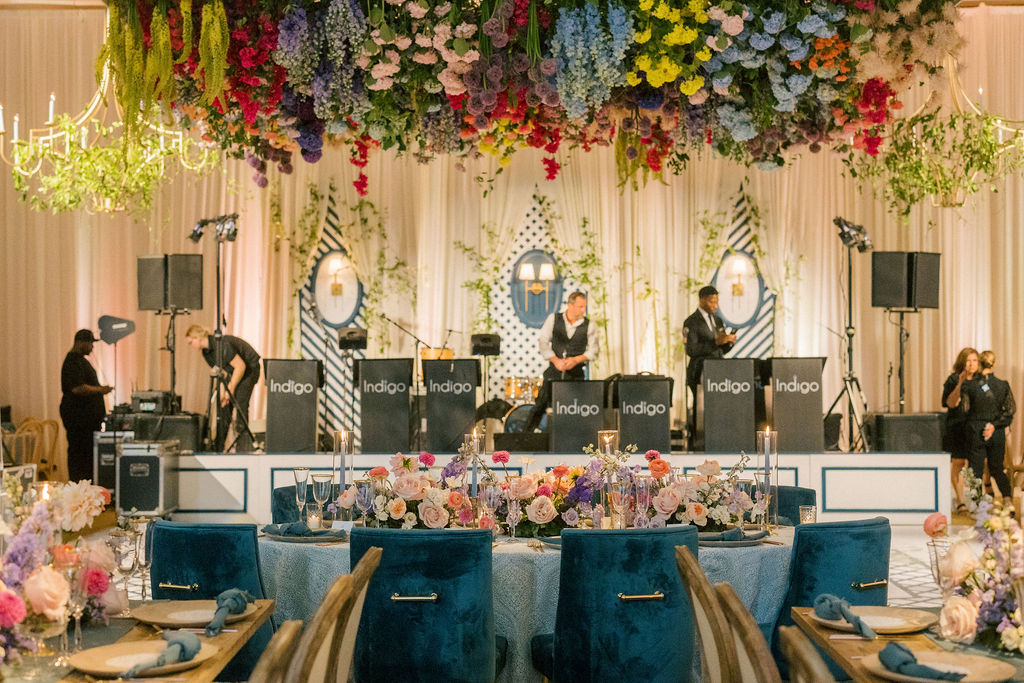
Floral installations have evolved far beyond simple bouquets and table arrangements. Today, they shape entire ceremony environments, define visual storytelling, and create immersive experiences that guests remember long after the event ends. Whether used in weddings, milestone celebrations, cultural ceremonies, or corporate gatherings, thoughtfully designed floral structures can transform even the simplest venue into a refined and expressive setting.
From dramatic suspended arrangements to sculptural arches and aisle gardens, floral installations introduce texture, color, movement, and emotion into ceremony spaces. When planned intentionally, they enhance both atmosphere and meaning while reinforcing the overall design vision.
Why Floral Installations Matter in Ceremony Design
Ceremony spaces represent the emotional center of an event. Unlike reception areas that encourage movement and conversation, ceremony environments guide attention toward a shared moment. Floral installations help shape that focus.
Strategically placed installations can:
- Frame important focal points
- Direct guest sightlines
- Define entrances and exits
- Add architectural interest to plain venues
- Reinforce seasonal themes
- Support cultural symbolism
- Elevate photography and videography outcomes
Rather than acting as decoration alone, floral installations become part of the ceremony’s structure.
Types of Floral Installations That Transform Ceremony Spaces
Different installation styles serve different purposes depending on venue scale, layout, and visual goals. Selecting the right combination ensures cohesion rather than clutter.
Statement Ceremony Arches
Ceremony arches remain one of the most recognizable floral installations because they naturally frame the central moment of the event. A well-designed arch creates a visual anchor that draws attention without overwhelming the surroundings.
Popular arch styles include:
- Asymmetrical floral crescents
- Full garden-style arches
- Minimalist greenery frames
- Circular floral halos
- Modern geometric structures
These installations work especially well in outdoor ceremonies where natural landscapes benefit from intentional framing.
Floral Aisle Meadows
Traditional aisle markers are increasingly replaced by grounded floral meadows that feel organic and immersive. Instead of isolated arrangements tied to chairs, designers create flowing clusters along the ceremony path.
Benefits of aisle meadow installations include:
- Natural movement and softness
- Enhanced ceremony photographs
- Increased guest engagement with the environment
- Flexibility for repurposing arrangements at the reception
This approach works particularly well in garden ceremonies, vineyards, and indoor venues with neutral flooring.
Suspended Floral Installations
Hanging florals create depth by introducing a vertical dimension that guests do not always expect. When designed carefully, overhead arrangements transform ceremony spaces into enveloping environments.
Common suspended installation styles include:
- Floral clouds above the altar
- Hanging greenery chandeliers
- Suspended floral rings
- Cascading installations over aisle paths
These installations are especially effective in venues with high ceilings such as ballrooms, barns, or historic halls.
Floral Ceremony Backdrops
Backdrops allow couples or hosts to create a strong visual identity behind the ceremony focal point. Unlike arches, backdrops often extend wider across the stage area, making them ideal for indoor ceremonies.
Backdrop installation options include:
- Layered floral walls
- Mixed-texture greenery panels
- Fabric and floral combinations
- Modular floral grids
Backdrops also transition easily into reception photo areas later in the event.
Choosing Flowers That Support the Installation Concept
Flower selection influences not only appearance but also structural success. Larger installations require blooms that maintain integrity for extended periods and withstand environmental conditions.
Strong installation-friendly flowers include:
- Roses for volume and durability
- Hydrangeas for fullness
- Carnations for texture layering
- Orchids for elegance and movement
- Lisianthus for softness
- Delphinium for height variation
- Seasonal foliage for structure
Using seasonal flowers helps maintain freshness while supporting sustainability goals.
Designing for Indoor Versus Outdoor Ceremony Spaces
Installation strategies differ significantly depending on venue conditions. Understanding these differences ensures both beauty and reliability.
Outdoor Ceremony Installations
Outdoor environments introduce variables like wind, sunlight, and uneven ground. Successful installations prioritize stability and resilience.
Helpful outdoor design considerations:
- Weighted bases for arches and backdrops
- Heat-tolerant flower varieties
- Hydration support systems
- Flexible anchoring methods
- Lightweight structural materials
Designers often lean toward natural-looking arrangements that complement surrounding landscapes rather than compete with them.
Indoor Ceremony Installations
Indoor venues allow greater structural creativity and control over environmental conditions. Lighting becomes a key partner in floral installation design.
Indoor installation advantages include:
- Suspended floral opportunities
- Layered backdrop construction
- Controlled temperature conditions
- Enhanced lighting integration
- Greater color consistency
This flexibility allows planners to build more sculptural and dramatic designs.
Color Strategies That Elevate Ceremony Installations
Color influences mood more than any other floral element. A well-planned palette ensures harmony across the ceremony environment.
Popular ceremony color approaches include:
Monochromatic Installations
Using variations of one color creates elegance and visual calm. White-on-white installations remain timeless and adaptable across venues.
Seasonal Color Palettes
Seasonal palettes feel naturally connected to the environment:
- Spring favors pastels and fresh greens
- Summer supports vibrant saturation
- Fall encourages warm earthy tones
- Winter highlights deep jewel tones and whites
Contrast-Driven Installations
Contrasting colors help installations stand out against neutral venues. For example:
- Soft blush against stone architecture
- Deep burgundy against white interiors
- Bright greenery against wood textures
Contrast improves visibility in photographs and enhances spatial definition.
Scaling Installations to Fit the Venue
One of the most common installation mistakes is mismatched scale. Oversized installations overwhelm small spaces, while undersized pieces disappear in large venues.
To achieve balance:
- Match installation height to ceiling height
- Align floral density with guest count
- Consider camera distance for ceremony coverage
- Maintain visibility from all seating rows
- Avoid blocking sightlines
Thoughtful scaling ensures installations enhance rather than dominate the ceremony setting.
Multi-Purpose Floral Installations for Greater Impact
Large installations often represent a significant portion of floral investment. Designing pieces that transition into later event areas maximizes value.
Installations that repurpose well include:
- Ceremony arches moved behind sweetheart tables
- Aisle meadows reused for reception centerpieces
- Backdrops converted into photo booth walls
- Entry installations repositioned near dance floors
This strategy supports both sustainability and budget efficiency.
Integrating Lighting With Floral Installations
Lighting transforms floral installations from decorative structures into immersive environments. Even subtle lighting adjustments can dramatically enhance color depth and texture visibility.
Effective lighting strategies include:
- Warm uplighting behind ceremony backdrops
- Soft spotlighting on arches
- Candle clusters surrounding grounded florals
- Overhead pin lighting for suspended arrangements
Lighting also ensures installations remain visually impactful during evening ceremonies.
Sustainable Approaches to Ceremony Floral Installations
Sustainability continues to shape modern floral planning decisions. Many hosts now prioritize environmentally responsible installation methods.
Sustainable floral practices include:
- Selecting locally grown flowers
- Reusing ceremony florals at reception venues
- Choosing foam-free installation mechanics
- Donating arrangements after events
- Incorporating reusable structural elements
These choices reduce waste without compromising design quality.
Collaborating With Floral Designers for Installation Success
Professional floral designers bring structural expertise that goes beyond flower selection. Collaboration early in the planning process ensures installations remain realistic, safe, and visually cohesive.
When working with a floral designer:
- Share venue dimensions and layouts
- Discuss ceremony timing and lighting conditions
- Provide inspiration references
- Clarify budget priorities
- Review installation logistics and setup windows
Strong collaboration leads to installations that feel intentional rather than improvised.
Creating Emotional Impact Through Floral Storytelling
The most memorable installations do more than decorate spaces. They communicate meaning.
Installations may reflect:
- Cultural traditions
- Seasonal symbolism
- Personal milestones
- Family heritage
- Venue history
- Natural surroundings
When floral elements connect to personal narratives, ceremony spaces become deeply expressive environments rather than simply attractive settings.
Budget Planning for Large-Scale Floral Installations
Installation design can be adapted to many budget levels with strategic planning.
Cost-conscious strategies include:
- Prioritizing one statement installation instead of several smaller ones
- Mixing greenery with focal blooms
- Using reusable structural frames
- Repurposing ceremony florals for reception décor
- Selecting seasonal flower varieties
Focusing resources on one impactful installation often produces stronger visual results than spreading budget across multiple smaller arrangements.
FAQ About Floral Installations That Transform Ceremony Spaces
How early should floral installation planning begin before a ceremony?
Floral installation planning ideally begins four to six months before the event date. Larger or custom-built structures may require additional coordination with venues and production teams.
Can floral installations work in small ceremony spaces?
Yes. Smaller venues benefit from scaled installations such as partial arches, vertical floral pillars, or compact aisle clusters that enhance atmosphere without overcrowding the space.
Are artificial flowers suitable for ceremony installations?
High-quality artificial flowers can work well in suspended or large structural installations, especially in extreme weather conditions where fresh flowers may struggle to maintain freshness.
How long does it take to install large ceremony floral structures?
Installation timelines vary depending on complexity. Simple arches may take one hour, while suspended floral installations or layered backdrops can require several hours of setup time.
Do venues typically allow suspended floral installations?
Many venues allow suspended designs, but approval is usually required. Structural limitations, ceiling materials, and safety requirements influence installation options.
What flowers last longest during outdoor ceremonies in warm weather?
Durable warm-weather flowers include orchids, roses, carnations, chrysanthemums, and certain tropical foliage varieties that maintain structure throughout extended ceremonies.
Can ceremony floral installations be transported between locations on the same day?
Yes, many installations are designed in modular sections specifically to allow relocation between ceremony and reception spaces with minimal disruption.
If you would like tailored installation concepts based on your ceremony setting or season, I can suggest curated layout ideas and floral palettes to match your vision. 🌿🌸
